Well Installation & Completion in Midland
Professional well installation services for Midland homes, farms, and businesses.
Well installation in Midland requires attention to the moderate glacial overburden and the variable bedrock of limestone and shale beneath. The completion method depends on the bedrock type encountered: limestone wells are typically finished as open boreholes that produce from natural fractures, while shale zones may require a different approach given their tighter structure. Casing extends through the mixed glacial materials — sandy till, clay, and occasional gravel — and is grouted securely into the bedrock to form the protective seal. Midland also has a significant stock of aging wells that need replacement, and our installation services include decommissioning old wells while constructing modern replacements that meet current Ontario standards. When replacing an older well, we pay particular attention to improving on whatever deficiencies the original well had, whether that means deeper casing, better grouting, a more suitable pump, or a proper pitless adapter where the old well may have had a vulnerable above-ground connection. The submersible pump for a Midland well is selected after formal pump testing to match the specific yield and depth of the completed well. The pressure system is configured for the household demand with a tank sized to provide adequate drawdown between pump cycles. Disinfection and water testing complete the installation process, ensuring the well meets all health and safety standards before being placed in service.
Local to Midland
Based just 40 min away in Stayner. We know the geology and well conditions in your area from decades of experience.
Licensed & Insured
MECP Licensed Well Contractor #C-8303. All work to Ontario Regulation 903 standards with Jeff Mighton (Class 1 & Class 4).
60+ Years Experience
Family-owned since 1964. Trusted by thousands of homeowners, farmers, and businesses across Simcoe County and Grey County.
What to Expect for Well Installation in Midland
When our team arrives at your property in Midland, here's how the process works. Learn more about our full well installation process.
Casing & Screen Installation
Based on the drilling log and geological conditions, we select the appropriate casing material and diameter, screen type, and slot size. The casing is lowered into the borehole and seated properly, with screens positioned across the target aquifer zone.
Annular Sealing
We seal the annular space between the casing and borehole wall with approved bentonite or cement grout. The seal is placed from the bottom of the casing up to surface level, with particular attention to sealing through any vulnerable formations that could allow cross-contamination between aquifers.
Well Development & Yield Testing
The well is developed through surging and pumping to remove fine material and establish clear water flow. We then conduct a pumping test to determine the sustainable yield, drawdown characteristics, and recovery rate of the well — essential data for sizing the pump system.
Surface Completion & Pitless Adapter
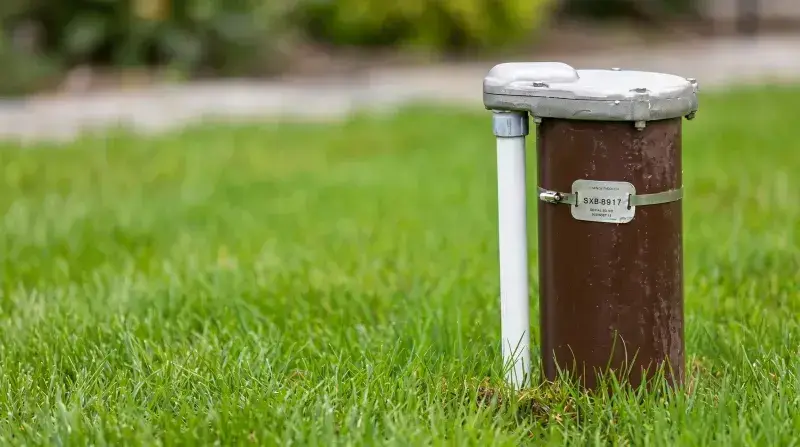
We install the pitless adapter below frost line, connect the horizontal water line to the house, mount a vermin-proof well cap, and ensure the casing extends the required height above finished grade. The well is disinfected and a bacteriological test is submitted before the system is put into service.
Common Well Installation Issues in Midland
Transitioning completion technique between limestone and shale bedrock
Midland bedrock varies between limestone and shale, and some wells pass through both formations. Limestone produces from larger dissolution fractures while shale yields from thinner bedding-plane openings. A completion approach optimized for one rock type may not be ideal for the other.
We adapt the completion based on the actual bedrock encountered. Where limestone dominates, standard open-hole completion works well. In shale sections, we may extend the well development process to clean thin fractures more thoroughly. The pump is set to draw from the most productive formation, with the setting depth adjusted based on which rock type yields the best water.
Replacing aging wells that predate current construction standards
Many Midland properties have wells drilled 30 to 50 years ago with steel casing that may be corroding, inadequate or absent grout seals, and surface connections that do not meet current code. These wells may still produce water but pose contamination risks and reliability concerns.
We drill and install the replacement well to full current standards, then properly decommission the old well by filling it with approved sealing materials. The new installation includes modern casing, complete grouting, a pitless adapter, and a properly sized pump and pressure system. This comprehensive approach eliminates the risks of the old well and provides decades of reliable service.
Elevated chloride in wells near the Georgian Bay shoreline
Some Midland wells near the waterfront produce water with elevated sodium and chloride, whether from natural bedrock sources or road salt infiltration. If the well is completed with casing that does not extend deep enough to isolate the contamination source, the elevated minerals persist in the water supply.
We ensure casing extends through any zones that may contribute elevated chloride, sealing the well from these sources. Where the contamination originates from the bedrock formation itself, we may adjust the completion depth to target a cleaner zone. For drinking water, reverse osmosis treatment effectively reduces sodium and chloride to below health guidelines.
Replace Your Aging Midland Well Before It Becomes an Emergency
If your Midland home has an old well with signs of decline — rusty water, declining pressure, visible casing deterioration — plan the replacement proactively rather than waiting for a failure. Emergency well replacement is more stressful and may cost more due to urgent scheduling. A planned replacement allows us to choose the optimal drilling time, properly decommission the old well, and ensure the new system is exactly right for your needs.
Need Well Installation in Midland?
Call us for a free phone consultation or request a site visit. We're your local experts.
Well Installation in Midland: Frequently Asked Questions
How is a replacement well installed differently from a new well in Midland?
What does well decommissioning involve for old Midland wells?
What type of pitless adapter do you install in Midland?
How do you test the well after installation in Midland?
Can you install a water treatment system at the same time as the well in Midland?
Other Services We Provide in Midland
Beyond well installation, we offer a full range of well and water services in Midland:
We Also Provide Well Installation in Nearby Areas
Serving communities across Simcoe County and Grey County from our home base in Stayner.
Serving Midland and Surrounding Areas
Ready to Get Started in Midland?
Contact our experienced team for a free consultation and estimate. Over 60 years of trusted service.