Well Installation & Completion in Penetanguishene
Professional well installation services for Penetanguishene homes, farms, and businesses.
Well installation in Penetanguishene must accommodate the variable bedrock depth that characterizes this Georgian Bay community and the particular needs of both year-round residents and seasonal property owners. Where bedrock is close to the surface along the harbour and peninsula areas, casing-in-rock sealing techniques are essential to create a proper barrier between the surface and the aquifer. Where deeper overburden exists in the inland residential areas, full-depth casing and grouting through clay and till are required. The substantial number of seasonal cottage properties in Penetanguishene introduces specific installation considerations that go beyond typical year-round home systems. Seasonal wells need easy winterization capability, with drain valves at strategic low points and a piping layout that allows complete drainage to prevent freeze damage during unoccupied winter months. The pitless adapter must be installed below the maximum frost depth, and the connection to the cottage plumbing must accommodate both draining and refilling without trapping water in vulnerable locations. Many older cottages in Penetanguishene also have aging well systems with surface connections that are not frost-protected, creating annual freeze-up risks. Upgrading these systems with a proper pitless adapter and modern submersible pump transforms the reliability of the water supply. Our installation crews have completed many seasonal and year-round well systems in Penetanguishene and understand the specific requirements of both property types in this waterfront community.
Local to Penetanguishene
Based just 45 min away in Stayner. We know the geology and well conditions in your area from decades of experience.
Licensed & Insured
MECP Licensed Well Contractor #C-8303. All work to Ontario Regulation 903 standards with Jeff Mighton (Class 1 & Class 4).
60+ Years Experience
Family-owned since 1964. Trusted by thousands of homeowners, farmers, and businesses across Simcoe County and Grey County.
What to Expect for Well Installation in Penetanguishene
When our team arrives at your property in Penetanguishene, here's how the process works. Learn more about our full well installation process.
Casing & Screen Installation
Based on the drilling log and geological conditions, we select the appropriate casing material and diameter, screen type, and slot size. The casing is lowered into the borehole and seated properly, with screens positioned across the target aquifer zone.
Annular Sealing
We seal the annular space between the casing and borehole wall with approved bentonite or cement grout. The seal is placed from the bottom of the casing up to surface level, with particular attention to sealing through any vulnerable formations that could allow cross-contamination between aquifers.
Well Development & Yield Testing
The well is developed through surging and pumping to remove fine material and establish clear water flow. We then conduct a pumping test to determine the sustainable yield, drawdown characteristics, and recovery rate of the well — essential data for sizing the pump system.
Surface Completion & Pitless Adapter
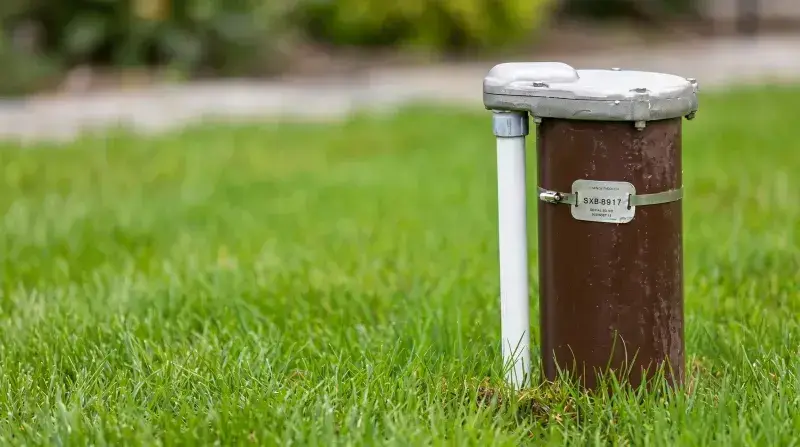
We install the pitless adapter below frost line, connect the horizontal water line to the house, mount a vermin-proof well cap, and ensure the casing extends the required height above finished grade. The well is disinfected and a bacteriological test is submitted before the system is put into service.
Common Well Installation Issues in Penetanguishene
Designing for seasonal use and winterization on cottage properties
Seasonal cottages in Penetanguishene need well systems that can be drained completely for winter without leaving trapped water that could freeze and cause damage. Many older installations were not designed with this in mind, resulting in recurring spring repair calls for burst fittings, cracked pipes, or damaged pressure tanks.
We design seasonal well systems from the outset with winterization as a primary consideration. The piping is routed to drain by gravity to a low point with a drain valve. The pressure tank and treatment equipment are positioned to drain completely. We provide the homeowner with a step-by-step winterization and spring start-up procedure specific to their system, making the seasonal transition straightforward.
Limited work space on small waterfront lots
Penetanguishene waterfront properties often have compact lots where the house, septic system, driveway, and well all compete for limited space. Meeting setback requirements from the shoreline, property lines, and septic components leaves a narrow window for well placement and makes equipment access challenging.
We use compact installation equipment suited to tight spaces. During the site assessment, we map every constraint and identify the compliant well location that also provides the best rig access. When necessary, our crews hand-dig trenches for water lines to avoid disturbing structures on confined lots. Careful planning before mobilization ensures efficient execution on small Penetanguishene properties.
Upgrading old surface-connected well systems to modern standards
Many older Penetanguishene wells have above-grade connections where the water pipe exits the casing above the ground surface. These connections are exposed to freezing, are easily damaged, and provide a direct pathway for surface water and insects to enter the well.
We retrofit older wells with a proper pitless adapter installed below the frost line. This involves cutting an opening in the casing at the appropriate depth, installing the adapter fitting, and rerouting the water line underground. The above-grade connection is sealed and the casing is capped. This upgrade eliminates freeze risk, contamination pathways, and the unsightly exposed piping.
Upgrade Your Penetanguishene Cottage Well to a Pitless Adapter
If your cottage still has an above-ground well connection with exposed pipes, upgrading to a pitless adapter is one of the best investments you can make. The adapter moves the connection below frost depth inside the casing, eliminating freeze-ups and surface contamination risk. The upgrade can usually be completed in a day without drilling a new well. It also simplifies winterization because the system can be drained without disconnecting exposed plumbing.
Need Well Installation in Penetanguishene?
Call us for a free phone consultation or request a site visit. We're your local experts.
Well Installation in Penetanguishene: Frequently Asked Questions
How do you winterize a Penetanguishene cottage well system?
Can you retrofit a pitless adapter onto my existing Penetanguishene well?
What is the best pump for a seasonal Penetanguishene cottage well?
How do you handle the water line on a Penetanguishene waterfront property?
Do you provide spring start-up service for Penetanguishene cottage wells?
Other Services We Provide in Penetanguishene
Beyond well installation, we offer a full range of well and water services in Penetanguishene:
We Also Provide Well Installation in Nearby Areas
Serving communities across Simcoe County and Grey County from our home base in Stayner.
Serving Penetanguishene and Surrounding Areas
Ready to Get Started in Penetanguishene?
Contact our experienced team for a free consultation and estimate. Over 60 years of trusted service.