Well Decommissioning & Abandonment Services
Permanently seal unused wells to protect groundwater and meet Ontario Regulation 903.
An unused well is not just an idle hole in the ground — it is an open pathway from the surface directly into the aquifer that supplies drinking water to you and your neighbours. Mighton's Well Services provides licensed well decommissioning and abandonment across Simcoe County and Grey County, permanently sealing wells that are no longer in use so that they cannot contaminate groundwater, collapse into sinkholes, or trap people and animals. Every decommissioning we perform meets Ontario Regulation 903 and is documented with a well record filed to the Ministry of the Environment, Conservation and Parks (MECP).
Decommissioning is required by Ontario law for any well that is no longer in use. That includes wells replaced by a new drilled well, wells on properties that have connected to municipal water, monitoring wells whose investigation has ended, test holes drilled during exploration, and abandoned dug wells discovered on older farmsteads and rural properties. The work must be performed by a licensed well contractor — homeowners cannot lawfully seal their own wells, and improvised methods such as filling with soil, concrete debris, or fieldstone do not satisfy the regulation and routinely fail. Properly decommissioning a well is the only way to permanently eliminate the contamination pathway and discharge the legal obligation that comes with owning the property.
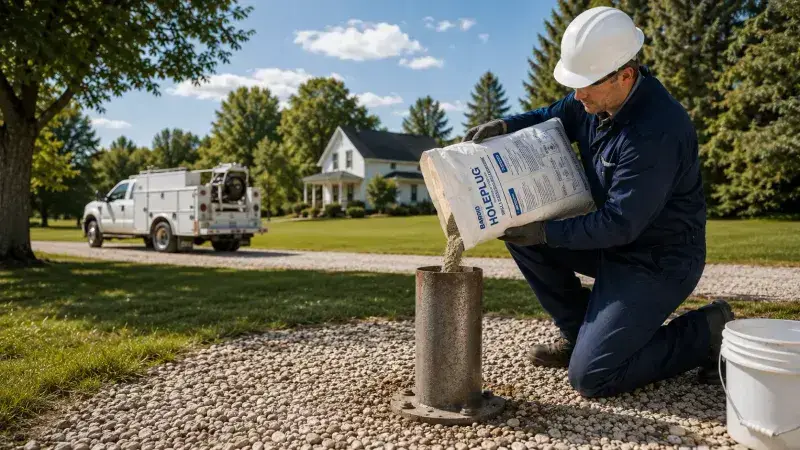
We handle every type of well found across the region. Modern drilled wells require pulling the pump and drop pipe, then sealing the well bore from the bottom up with approved bentonite chips, bentonite grout, or cement-bentonite grout depending on the well construction. Hand-dug wells — common on heritage properties in Adjala-Tosorontio, Mulmur, Melancthon, and the older farm areas around Stayner and Meaford — require a different approach: removing any timber or stone cribbing where possible, sealing the lower portion with bentonite or cement grout, and backfilling the upper portion with clean material before restoring the surface to grade. Monitoring wells, typically smaller in diameter but often present in clusters on environmental investigation sites, are decommissioned to MECP specifications appropriate to the original construction. In every case, the casing is cut below grade and either removed or capped so that no trace of the well remains at surface.
Our decommissioning methodology starts with a records review and site assessment. We pull the Ontario Well Record for the property if one exists, which tells us the original depth, diameter, casing material, and screen interval. For older wells without records — particularly hand-dug wells found during property work — we assess the well in person, measure depth, confirm the construction type, and identify any obstacles such as a stuck pump, collapsed casing, or debris in the well bore. We then provide a written estimate covering equipment removal, sealing materials, surface restoration, and the MECP record filing. On the day of work, our service rig removes the pump and piping, the well is sealed from bottom to top with the appropriate approved material, the casing is cut below grade, and the surface is restored. The decommissioning record is filed with MECP within the regulated timeframe and a copy is provided to you for your property file.
Seasonal timing matters more for decommissioning than many homeowners expect. Summer and early fall are the ideal window: the ground is dry enough for our service rig to access remote rural wells without rutting, water tables are typically at their seasonal low which simplifies sealing, and bentonite materials cure properly in warmer temperatures. Spring decommissioning can be challenging on properties with soft access roads — the same lanes that handled the rig fine in October can be impassable in April. Winter work is possible and is sometimes preferred for properties where frozen ground supports heavy equipment on otherwise soft sites, but cement-based sealing materials need temperature management in cold conditions. We schedule decommissioning work to fit both your project timeline and the conditions at your specific property.
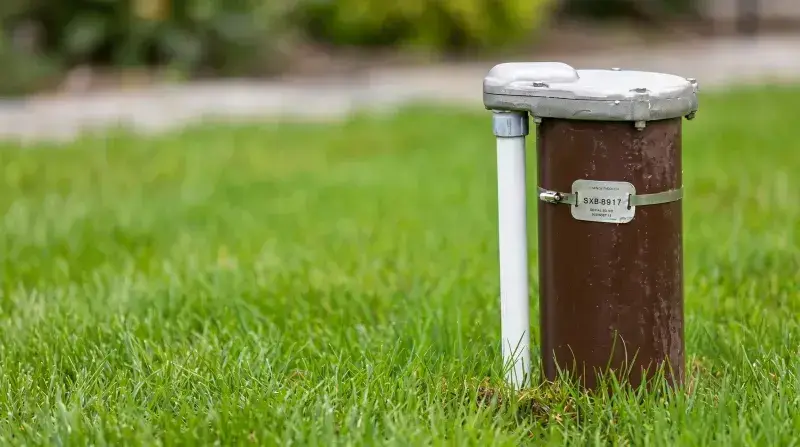
Geology across Simcoe County and Grey County creates different decommissioning considerations from one area to the next. Wells completed in the fractured limestone and dolostone of the Niagara Escarpment in Clearview, Blue Mountains, and Meaford may have intersected artesian zones that need controlled sealing to prevent uncontrolled discharge. Sandy overburden wells around Wasaga Beach, Tiny Township, and Innisfil are typically straightforward to seal with bentonite chip slurry, but old screens often need to be left in place rather than pulled because removal would collapse the formation. Clay-rich wells in Springwater and Essa Township seal easily but the clay-dominated access roads complicate equipment delivery in wet weather. Hand-dug wells anywhere across the region present the unique challenge of large diameter and often unknown construction — we assess and adapt rather than apply a single playbook.
Property owners should know a few practical points before scheduling decommissioning. First, decommissioning is often triggered by an event — a real estate transaction, a lot severance, switching to municipal water, drilling a replacement well — and these events frequently come with deadlines. Plan the work as soon as you know it is needed rather than waiting. Second, the decommissioning record is a permanent part of the property file and is typically requested by buyers, lenders, and severance applications. Keep your copy in a safe place along with your other property records. Third, if you suspect there are old wells on your property that you have never seen — common on older rural lots and former farmsteads — let us know during the site visit. We can often locate hidden wells using property records, aerial imagery, and physical inspection, and addressing them now is far less costly than discovering them during a future construction project. Mighton's Well Services has decommissioned hundreds of wells across Simcoe County and Grey County, and we make the process straightforward and properly documented.
What's Included
Our well decommissioning service covers everything you need for reliable results.
Drilled Well Decommissioning
Full sealing of modern drilled wells in accordance with Ontario Regulation 903. We remove the pump, drop pipe, wiring, and pressure equipment, then seal the well bore from bottom to top using approved bentonite chips, bentonite grout, or cement-bentonite grout depending on well construction and aquifer conditions. The casing is cut below grade and either removed or capped, and the surface is restored.
Hand-Dug Well Sealing
Decommissioning of historic hand-dug wells found on older farmsteads, heritage properties, and rural lots across Simcoe County and Grey County. These large-diameter wells require a different approach than drilled wells, with consideration for any timber or stone cribbing, often-unknown depth, and the safety hazards of an open large-diameter shaft. We assess each well individually and apply the appropriate sealing method.
Monitoring & Test Well Decommissioning
Decommissioning of environmental monitoring wells, geotechnical boreholes, and test holes once their investigation purpose has ended. We work with consulting engineers and environmental firms to decommission single wells or full multi-well networks to MECP specifications, with records suitable for site closure documentation.
Decommissioning with Well Replacement
Combined decommissioning and new well drilling for property owners replacing an aging or compromised well. We schedule both projects together to minimize site disruption, ensure the new well meets all current setback requirements from the decommissioned well, and complete both MECP records in coordination. This is the most efficient approach when an old well needs to come out and a new one needs to go in.
Old Well Locating & Assessment
For properties suspected of having abandoned wells that are not visible at surface — common on former farms, heritage lots, and properties with long ownership histories — we use property records, aerial imagery, and physical site inspection to locate hidden wells. Once located, we assess construction type, depth, and condition and provide a clear plan for decommissioning.
MECP Compliance Documentation
Every decommissioning we perform is documented with a Well Record filed to the Ministry of the Environment, Conservation and Parks within the required timeframe. You receive a copy of the record for your property file — important for real estate transactions, lot severance applications, and lender requirements. We retain records of all decommissioning work and can provide additional copies on request.
How It Works
From initial assessment to project completion — here's what to expect.
Site Assessment & Records Review
We start by pulling the Ontario Well Record for the property if one exists and reviewing the original construction details. On the site visit, we inspect the well, confirm depth and condition, and identify any obstacles such as a stuck pump, collapsed casing, or hidden access challenges. For old wells without records, we assess construction type in person.
Written Estimate & Scheduling
We provide a written estimate covering pump and equipment removal, sealing materials and labour, surface restoration, and MECP record filing. The estimate is firm unless we encounter unexpected conditions inside the well, in which case we contact you before any additional work. We schedule the work to fit both your timeline and the seasonal conditions at your property.
Pump & Equipment Removal
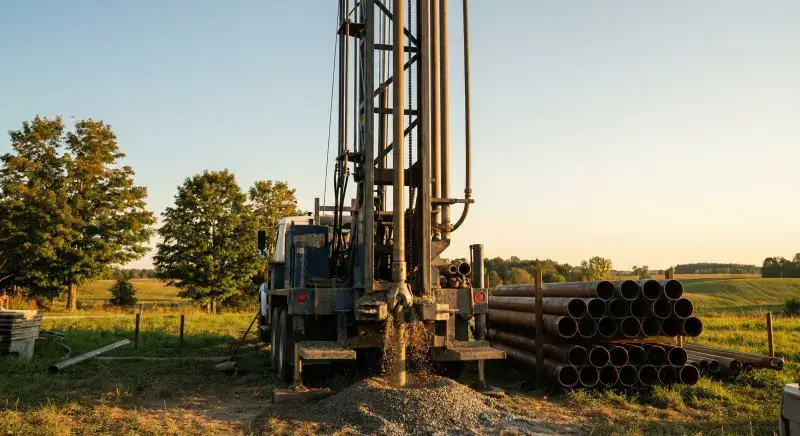
On work day, our service rig pulls the pump, drop pipe, safety rope, wiring, and any other equipment from the well. We disconnect the pitless adapter, pressure tank, and pressure switch and remove them from the site or set them aside for disposal as you prefer. The well is now ready for sealing.
Sealing & Casing Removal
We seal the well from the bottom up using the appropriate approved material — bentonite chips, bentonite grout, or cement-bentonite grout — placed in lifts to ensure continuous contact with the formation. Once the well is fully sealed to surface, the casing is cut at least one metre below grade and either pulled or capped. The surface is backfilled, graded, and restored.
MECP Record Filing & Documentation
We file the Well Decommissioning Record with the Ministry of the Environment within the regulated timeframe and provide you with a copy for your property file. This documentation is what real estate buyers, lenders, and severance applications will ask for — keep it with your other property records.
Common Problems We Solve
We've seen it all in our 60+ years. Here are the issues we resolve most often.
Open Abandoned Wells as Safety Hazards
Old wells with deteriorated covers, collapsed casings, or rotted plank covers create serious physical hazards for people, pets, and livestock. Children playing in farm fields, hikers crossing unposted properties, and animals on pasture have all fallen into open wells. The hazard is often hidden by vegetation and only discovered after an incident.
We properly decommission open and at-risk wells, eliminating the hazard permanently. The well is sealed, the casing is cut below grade, and the surface is restored so that no shaft remains. Where landowners suspect hidden wells on the property, we can locate and assess them before they cause an incident.
Aquifer Contamination from Unsealed Wells
An abandoned well that has not been properly sealed is an unrestricted pipeline from the surface directly into the aquifer. Surface water carrying bacteria, road salt, fertilizers, livestock waste, and pesticides flows down the well bore and contaminates the groundwater that supplies neighbouring wells. The contamination can affect water supplies far from the original well.
Decommissioning with approved sealing materials placed from the bottom of the well to the surface permanently eliminates the contamination pathway. We use bentonite or cement-bentonite grout selected for the formation type, placed in continuous lifts to ensure no voids remain. The MECP record documents the work for regulatory and insurance purposes.
Real Estate or Severance Requiring Decommissioning Records
A buyer, lender, or planning department has asked for a Well Decommissioning Record for an old well on the property — and either the well was never properly decommissioned, or the records cannot be found. Closing dates and severance approval deadlines do not wait for paperwork to catch up.
We can mobilize quickly for transaction-driven decommissioning work and file the MECP record promptly so that you have the documentation in hand before your deadline. For wells that were never properly decommissioned, we perform the work and provide all the required records. For wells where decommissioning was done but records cannot be located, we can sometimes retrieve the original record from MECP archives.
Old Hand-Dug Wells Discovered During Property Work
A hand-dug well is uncovered during landscaping, excavation, fence post installation, or septic work — sometimes the first time anyone has known it was there. These wells are typically large in diameter, of unknown depth, and may have rotted timber cribbing or fieldstone walls that pose collapse risk. The discovery often stops other work until the well is dealt with.
We respond to discovered-well situations and can usually mobilize within a few days. The well is assessed, sealed with appropriate materials, and the surface is restored so that other site work can continue. For active construction sites where timing is critical, we coordinate with your contractor to minimize delay.
Switching to Municipal Water While Old Well Remains
Properties that connect to municipal water — common around Barrie, Innisfil, Collingwood, and the expanding urban edges of Simcoe County — often leave the old private well in place. Once disconnected from the household plumbing, the well is no longer in use and Ontario Regulation 903 requires it to be decommissioned. Leaving it unsealed exposes you to liability and risks contaminating neighbouring private wells.
We decommission former private wells on properties newly connected to municipal water. The work is straightforward and the MECP record protects you against future regulatory or liability issues. Some municipalities require proof of decommissioning before issuing the connection permit — we coordinate timing accordingly.
Have a Well Decommissioning Question?
Our experienced team is ready to help. Call for a free phone consultation or request a site visit.
Frequently Asked Questions
Common questions about well decommissioning in Simcoe County and Grey County. Can't find your answer? Get in touch.
Is well decommissioning legally required in Ontario?
How much does well decommissioning cost in Simcoe County?
Why can't I just fill the well with soil or concrete debris myself?
What materials are used to seal a decommissioned well?
How do I know if I have an abandoned well on my property?
Do I need a permit to decommission a well?
What is the difference between well abandonment and well decommissioning?
Can a well be decommissioned in winter?
How long does a typical well decommissioning take?
What documentation do I receive when the work is complete?
Can I decommission a well as part of replacing it with a new one?
Are there wells you cannot decommission?
Well Decommissioning Across Simcoe County & Grey County
We provide well decommissioning services across our entire service area. Whether you're in Wasaga Beach, Barrie, or Collingwood, our team has the local knowledge and experience to deliver reliable results.
Wasaga Beach Area
Grey County
Related Services
Well Decommissioning often goes hand-in-hand with these other services we provide:
Ready to Get Started With Well Decommissioning?
Contact our experienced team for a free consultation and estimate. Over 60 years of trusted service.