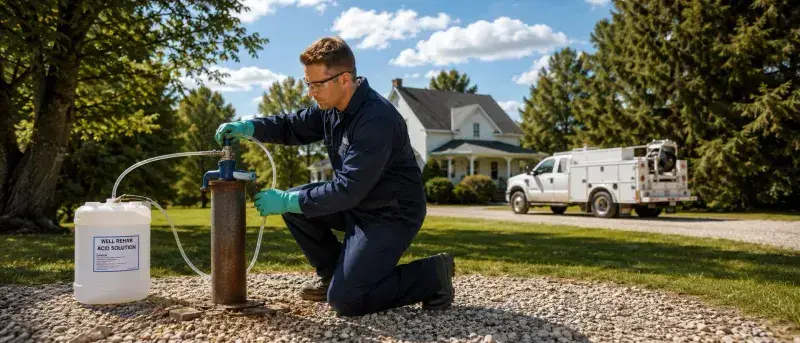
Well Acid Treatment & Rehabilitation Services
Restore yield and water pressure to slow-producing wells with targeted chemical rehabilitation.
When a once-productive well starts producing less water each year, the cause is almost always invisible from the surface — mineral scale, iron fouling, and biological growth slowly choking the well screen and the formation around it. Mighton's Well Services performs licensed well acid treatment and rehabilitation across Simcoe County and Grey County, dissolving the deposits that block water flow and restoring yield to wells that homeowners and farm operators had begun to think needed replacement. Most rehabilitated wells regain 70 to 100 percent of their original production at a fraction of the cost of drilling new.
The science of well fouling is straightforward. Groundwater in our region carries dissolved calcium, iron, manganese, and a host of other minerals depending on the formation. When that water passes through a well screen and into the casing, small changes in pressure, temperature, and oxygen exposure cause those minerals to precipitate out of solution. Calcium carbonate forms hard white-grey scale on screens and casing walls. Iron oxidizes into rust-coloured deposits that build up over decades. Iron bacteria — naturally occurring microorganisms common across Simcoe County groundwater — feed on dissolved iron and produce slimy gelatinous biofilms that block screen openings completely. Manganese forms black deposits that stain fixtures and laundry. Left alone, these deposits compound over years until the well can no longer deliver enough water for normal household or farm use.
Acid treatment dissolves the deposits chemically without damaging the well structure. We use food-grade or industrial acids specifically approved for water-well rehabilitation under Ontario Regulation 903 — typically hydrochloric or sulfamic acid for calcium scaling, and citric or oxalic acid for iron fouling. The acid is introduced into the well, agitated to ensure contact with all fouled surfaces, given time to dissolve the deposits, and then thoroughly removed during well redevelopment. Critically, all acids are neutralized to safe pH before the well returns to service, and water quality testing confirms the well is safe to use. This is a regulated procedure performed by licensed well technicians — not something a homeowner should attempt with hardware-store chemicals, which can damage the well, contaminate the aquifer, or produce hazardous reactions.
Our rehabilitation methodology starts with diagnostics, not chemistry. Before we recommend any treatment, we measure the current static water level, perform a controlled drawdown test to determine actual well yield, and where possible run a downhole video camera to see the deposits directly. We test the water and any visible deposits to identify what minerals are present and at what concentrations — this tells us exactly which acid will dissolve the specific scaling. Only then do we develop a treatment plan with a clear cost estimate and an expected yield improvement. On treatment day, the pump is removed, the acid is introduced at the right concentration, mechanical agitation (surging or brushing) helps the acid reach every fouled surface, contact time allows complete dissolution, and the well is thoroughly redeveloped by pumping until the water runs clear and the pH returns to neutral. A water sample is sent for analysis before the well returns to service.
Seasonal timing affects rehabilitation in several ways. Summer and early fall are the ideal windows: lower water tables make access to the full well screen easier, warmer temperatures speed chemical reaction rates, and farms tend to have the most flexibility around peak irrigation demand. Winter rehabilitation is entirely workable for residential wells with insulated wellhouses or quick-access wellheads, though some acid types react slower in cold conditions. Spring rehabilitation can be challenging on rural properties with soft access roads. The most important seasonal consideration is not waiting until you have no water — emergency rehabilitation in February with a frozen ground and an unhappy household is a much harder service to schedule than a planned summer treatment on the same well.
Geology across our service area creates very different fouling patterns from one community to the next. Wells drawing from the limestone and dolostone aquifers of the Niagara Escarpment in Clearview, Blue Mountains, Meaford, and Mulmur are prone to severe calcium carbonate scaling — the same dissolved limestone that makes the local water "hard" precipitates out on every well screen over decades. Sandy aquifer wells in Wasaga Beach, Tiny Township, and Innisfil typically suffer iron fouling first because the shallow groundwater is rich in dissolved iron and iron bacteria thrive at the screen interface. Clay-overburden wells in Springwater and Essa Township often combine both problems with the added complication of fine particulate plugging. Deep bedrock wells in Oro-Medonte and Barrie can foul more slowly but are harder to rehabilitate because of the depth and the volume of acid required. We adapt the chemistry, the agitation method, and the contact time to the specific well — there is no single recipe that works everywhere.
Property owners weighing acid treatment against well replacement should understand a few key points. First, rehabilitation is dramatically less expensive than drilling a new well: a typical residential rehabilitation costs $2,500 to $6,000 compared to $18,000 to $30,000 or more for a new well plus pump installation. Second, rehabilitation does not always work — if the well casing has structural damage, the screen has corroded through, or the aquifer itself has declined, acid treatment will not restore yield. Our diagnostic process tells you upfront whether rehabilitation is the right call. Third, even a successful rehabilitation is not permanent — depending on the water chemistry and pump cycling patterns, wells in heavily-fouling formations may need treatment every 5 to 15 years. We document everything in a treatment report so the next service has the history to work from. Mighton's Well Services has rehabilitated hundreds of wells across Simcoe County and Grey County, and we provide honest assessments — including telling you when rehabilitation is not the right answer.
What's Included
Our acid treatment service covers everything you need for reliable results.
Mineral Scale Removal
Targeted acid treatment to dissolve calcium carbonate, calcium sulfate, and other mineral scaling that builds up on well screens and casing walls. We use hydrochloric or sulfamic acid at concentrations matched to the deposit severity, with mechanical agitation to ensure the acid reaches every fouled surface. Particularly effective on wells in the limestone and dolostone aquifers across the Niagara Escarpment and central Simcoe County.
Iron Fouling Treatment
Chemical dissolution of iron oxide deposits and iron bacteria biofilms that block well screens and reduce yield. We use citric or oxalic acid for iron precipitate removal, often combined with biocide treatment to eliminate the iron bacteria colonies that caused the fouling in the first place. Iron fouling is the most common cause of yield decline in sandy aquifer wells across our service area.
Manganese Removal
Treatment of black manganese deposits that stain fixtures and laundry and contribute to screen fouling. Manganese often occurs alongside iron in Simcoe County groundwater, and a combined treatment approach addresses both minerals in a single rehabilitation cycle. The treatment also helps reduce the manganese loading on downstream water treatment equipment.
Well Screen Acidization
Focused acid placement directly at the screen interval using packers or weighted hoses to concentrate treatment where the fouling is most severe. This technique uses less total acid than full-bore treatment and produces dramatic yield improvements on wells where the screen is the primary point of restriction. Ideal for older wells with stainless steel or PVC screens that respond well to targeted treatment.
Yield Restoration Diagnostics
Before any chemical treatment, we measure the current well yield with a controlled drawdown test and compare it to original well records. Where possible, we run a downhole video camera to see the deposits directly. We test water samples and visible deposits to identify the specific minerals present. This diagnostic work tells us exactly what is causing the yield loss and whether acid treatment is the right intervention — not every yield decline is fouling, and we will tell you if your well needs a different solution.
Post-Treatment Disinfection & Water Testing
Every acid treatment ends with full neutralization of any remaining chemistry, well disinfection using shock chlorination, redevelopment by pumping until water runs clear, and laboratory water testing for bacterial safety and chemical parameters. We do not return a rehabilitated well to service until the test results confirm it is safe. The complete treatment record — chemicals used, contact time, post-treatment yield, water test results — is provided to you for your property file.
How It Works
From initial assessment to project completion — here's what to expect.
Yield Test & Site Assessment
We start with a controlled drawdown test to measure the well's current yield and recovery rate, comparing it to the original well record. The static water level, pump performance, and any historical yield data tell us how much production has been lost and how quickly the decline has happened. This data is the foundation of the treatment plan.
Water Analysis & Downhole Inspection
We collect water samples for laboratory analysis to identify which minerals are present and at what concentrations. Where conditions allow, we run a submersible video camera through the well to see the deposits directly — calcium scale, iron fouling, biological growth, screen condition. This combined diagnostic tells us exactly what chemistry is needed and what yield improvement to expect.
Treatment Plan & Cost Estimate
Based on the diagnostics, we develop a treatment plan covering acid type, concentration, contact time, and any mechanical agitation needed. We provide a firm written estimate covering pump removal, chemicals, treatment labour, redevelopment, disinfection, and water testing. The plan also identifies any expected yield improvement and the realistic ceiling on what rehabilitation can achieve.
Acid Treatment & Mechanical Agitation
On treatment day, the pump is pulled and the well is prepared. The acid is introduced at the calculated concentration — typically a slow gravity feed or pumped delivery to the fouled zone. Mechanical agitation by surging, brushing, or air injection ensures the acid contacts every fouled surface. Contact time is held to the duration needed for the chemistry to fully dissolve the target deposits.
Redevelopment, Disinfection & Verification
After treatment, the well is thoroughly pumped to remove all dissolved deposits and spent acid, with pH monitoring to confirm full neutralization. The well is shock-disinfected, redeveloped until water runs clear, and the pump is reinstalled. A final drawdown test verifies the yield improvement and a water sample goes to the lab for bacterial and chemical testing. We do not return the well to service until results confirm it is safe.
Common Problems We Solve
We've seen it all in our 60+ years. Here are the issues we resolve most often.
Gradual Yield Decline Over Years
You used to have plenty of water and now you do not — but it happened so slowly you cannot pinpoint when. Showers run shorter, laundry takes longer, irrigation cannot keep up with summer demand. The pump runs more often and for longer. This is the classic signature of mineral scaling and iron fouling building up year after year in a well that was originally healthy.
A yield test compares current production to the original well record and quantifies how much capacity has been lost. Acid treatment matched to the specific fouling type typically restores 70 to 100 percent of original yield. For wells where decline has been gradual and the structure is sound, rehabilitation is almost always the most cost-effective answer.
Iron-Stained Water & Slime
Rust-coloured water staining fixtures, reddish-brown slime building up inside toilet tanks and fixture aerators, a sulphur or metallic taste, water that clears after running for a few minutes but starts cloudy again next time. These are signatures of iron bacteria — naturally occurring microorganisms that thrive in Simcoe County groundwater and form thick biofilms inside wells.
Combined acid and biocide treatment dissolves the iron precipitates and eliminates the bacterial colonies producing them. Citric or oxalic acid is the chemistry of choice for iron fouling, with a follow-up chlorine shock to address the biofilm. Wells with severe iron bacteria may benefit from periodic preventive treatments every 5 to 8 years.
Calcium Hardness Scaling on Screens
Wells in the limestone and dolostone aquifers along the Niagara Escarpment and across central Simcoe County deposit calcium carbonate on every surface the water touches — screens, casing walls, fixtures, plumbing. Over decades, the well screen can become so heavily encrusted that openings narrow from millimetres to near-zero, dramatically reducing flow into the well.
Hydrochloric or sulfamic acid dissolves calcium scale efficiently and safely when applied at proper concentration. Mechanical agitation during contact time helps the acid reach the full screen length. Yield often returns to near-original levels after treatment, with the schedule for repeat treatment depending on how aggressive the local water chemistry is.
Manganese Discoloration & Black Deposits
Black or dark-brown stains on porcelain fixtures and inside laundry whites, sometimes with a metallic or earthy taste. Manganese is less common than iron in Simcoe County groundwater but is harder to address through filtration alone — when the manganese loading on a household treatment system gets too high, the manganese is coming from deposits inside the well itself.
Acid treatment dissolves manganese deposits that have built up inside the well, dramatically reducing the manganese loading on downstream treatment equipment. Often a single rehabilitation cycle is enough to keep manganese levels manageable for years afterward, particularly when combined with regular pump operation that prevents stagnation.
Pump Cycling Increased From Reduced Yield
The pump turns on more often, runs longer per cycle, and sometimes draws air at the end of heavy use. Electricity bills have crept up. The pump itself is sound but it is working too hard because the well cannot keep up. This often appears alongside reduced household water pressure — the symptoms feel like pump problems but the cause is in the well.
A yield test isolates whether the bottleneck is the well or the pump. When the well is the problem, acid treatment can restore yield to the point where the pump can deliver normal flow and pressure without overworking. The result is restored water service and a pump that lasts years longer than it would have under the stressed conditions.
Have a Acid Treatment Question?
Our experienced team is ready to help. Call for a free phone consultation or request a site visit.
Frequently Asked Questions
Common questions about acid treatment in Simcoe County and Grey County. Can't find your answer? Get in touch.
How do I know if my well needs acid treatment?
How much does well acid treatment cost in Simcoe County?
Is acid treatment safe for the aquifer and my drinking water?
How long does the rehabilitation take?
Will my well yield really come back?
What acids do you use and are they harsh on the well itself?
What is the difference between acid treatment and well replacement?
Can acid treatment damage my well?
Do I need to evacuate the home during treatment?
How long after treatment can I drink the water?
Will I need acid treatment again in the future?
Can you treat farm and irrigation wells, not just residential?
Acid Treatment Across Simcoe County & Grey County
We provide acid treatment services across our entire service area. Whether you're in Wasaga Beach, Barrie, or Collingwood, our team has the local knowledge and experience to deliver reliable results.
Wasaga Beach Area
Grey County
Related Services
Acid Treatment often goes hand-in-hand with these other services we provide:
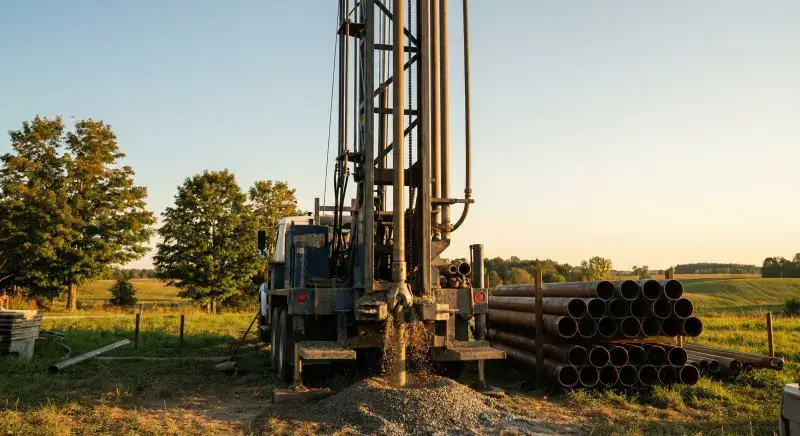
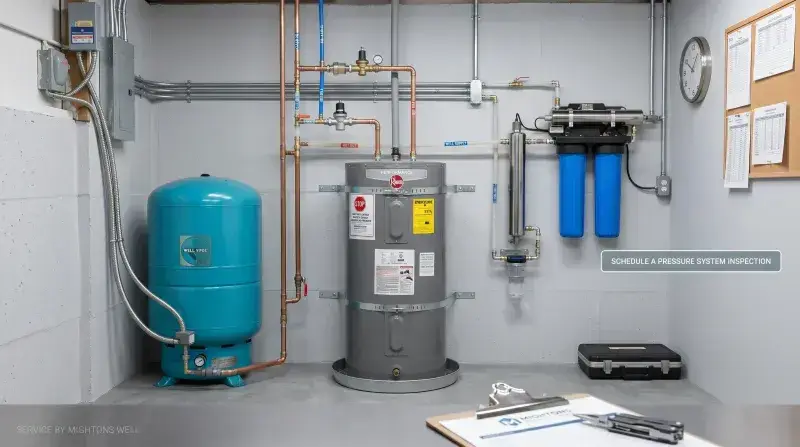
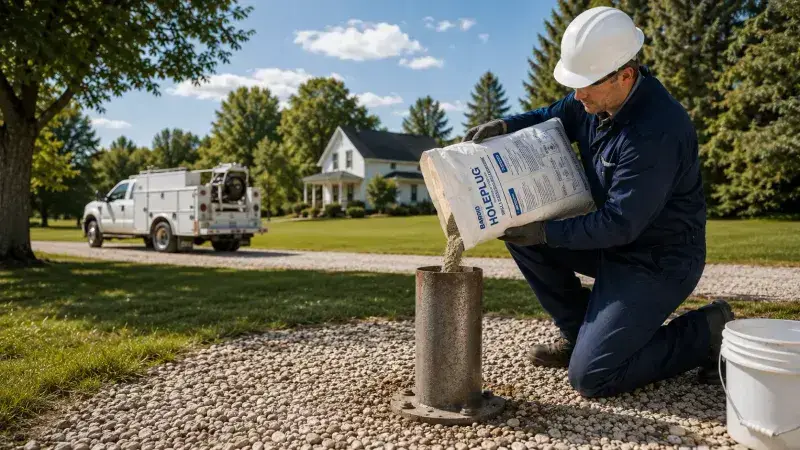
Ready to Get Started With Acid Treatment?
Contact our experienced team for a free consultation and estimate. Over 60 years of trusted service.