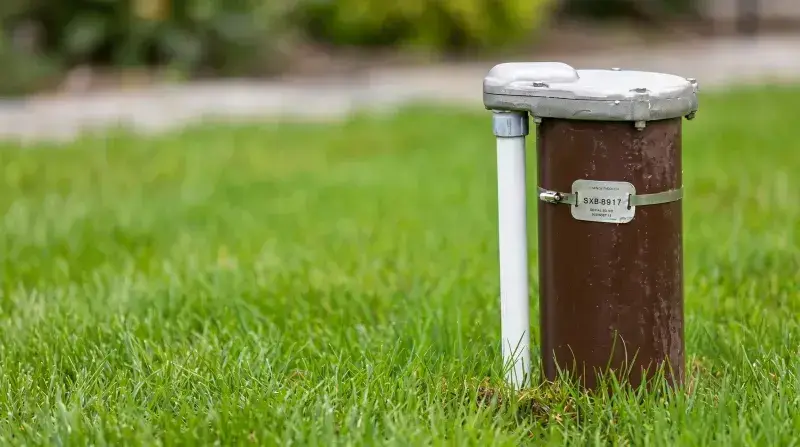
Well Installation & Completion in Stayner
Professional well installation services for Stayner homes, farms, and businesses.
Well installation in Stayner must account for the transitional geology where sandy lowland deposits meet clay-till uplands. This geological shift means that a well drilled on one side of the community may pass through entirely different formations than one on the other side, and the completion strategy must be tailored accordingly. For wells completed in the sandier formations east of Stayner, proper screening is essential to prevent sand migration into the well. For wells in the clay-till areas to the west, casing must be properly set and grouted through the full depth of the impermeable clay to reach the bedrock aquifer below. In both cases, the annular seal between the casing and the borehole is critical for well integrity. Clay formations present their own grouting challenges because the material can swell and shift, potentially compromising the seal over time if inappropriate grout materials are used. Our installation crews select grout formulations based on the specific formation conditions at each Stayner site. The pitless adapter, pump, and pressure system are sized based on the well yield determined during pump testing, which itself can vary significantly between sand-aquifer and bedrock-aquifer completions in this area. We take a comprehensive approach to Stayner installations, ensuring that every component from the bottom of the well screen to the top of the pressure tank is matched to the specific geological and hydraulic conditions at your property.
Local to Stayner
Based just 0 min (home base) away in Stayner. We know the geology and well conditions in your area from decades of experience.
Licensed & Insured
MECP Licensed Well Contractor #C-8303. All work to Ontario Regulation 903 standards with Jeff Mighton (Class 1 & Class 4).
60+ Years Experience
Family-owned since 1964. Trusted by thousands of homeowners, farmers, and businesses across Simcoe County and Grey County.
What to Expect for Well Installation in Stayner
When our team arrives at your property in Stayner, here's how the process works. Learn more about our full well installation process.
Casing & Screen Installation
Based on the drilling log and geological conditions, we select the appropriate casing material and diameter, screen type, and slot size. The casing is lowered into the borehole and seated properly, with screens positioned across the target aquifer zone.
Annular Sealing
We seal the annular space between the casing and borehole wall with approved bentonite or cement grout. The seal is placed from the bottom of the casing up to surface level, with particular attention to sealing through any vulnerable formations that could allow cross-contamination between aquifers.
Well Development & Yield Testing
The well is developed through surging and pumping to remove fine material and establish clear water flow. We then conduct a pumping test to determine the sustainable yield, drawdown characteristics, and recovery rate of the well — essential data for sizing the pump system.
Surface Completion & Pitless Adapter
We install the pitless adapter below frost line, connect the horizontal water line to the house, mount a vermin-proof well cap, and ensure the casing extends the required height above finished grade. The well is disinfected and a bacteriological test is submitted before the system is put into service.
Common Well Installation Issues in Stayner
Grouting challenges in mixed sand and clay formations
The transitional geology in Stayner means the annular space may pass through sand in one section and clay in another. Each material interacts differently with grout — sand can absorb excess water from the mix while clay can swell and create uneven pressure on the casing. An improper grout job can leave voids that compromise the seal.
We adjust our grouting technique and formulation based on the specific formation sequence logged during drilling. In mixed formations, we may use different grout consistencies for different zones, always placing material from the bottom up using tremie methods. We verify the grout level to confirm complete fill before proceeding.
Selecting the right completion zone in transitional geology
Stayner wells may encounter water in both overburden sand pockets and bedrock fractures. Choosing the wrong completion zone can mean less reliable yield, poorer water quality, or both. The sandy zone might produce softer water but lower yield, while the bedrock might yield more but harder water.
We evaluate water-bearing zones logged during drilling and may test multiple zones before committing to a final completion. Our crews discuss the trade-offs with you — yield, water quality, treatment needs, and long-term reliability — so you make an informed choice. The well is then completed in the optimal zone with appropriate screen or open-hole techniques.
Pump sizing for variable yields across Stayner geological zones
Well yields in Stayner range widely depending on whether the well draws from a sand aquifer or bedrock fractures. A pump that is too powerful for a low-yield well will draw down the water level too quickly and cause intermittent dry operation, which damages the pump. A pump that is undersized for a high-yield well wastes the available supply.
We conduct a formal pump test on every Stayner well to determine the sustainable yield rate before selecting pump equipment. The pump, pressure tank, and control system are then sized specifically for your well yield and household demand. This ensures efficient operation without overdrawing the aquifer or undersupplying the home.
Match Your Stayner Well Completion to Your Water Quality Preferences
If your Stayner property has both an overburden sand aquifer and a bedrock aquifer option, ask us to test the water quality from each zone before we finalize the completion. The sand aquifer typically produces softer, lower-mineral water, while the bedrock water is harder but may be more reliable. Knowing the water chemistry from each source lets you choose the aquifer that best matches your preferences and minimizes ongoing treatment costs.
Need Well Installation in Stayner?
Call us for a free phone consultation or request a site visit. We're your local experts.
Well Installation in Stayner: Frequently Asked Questions
How do you decide whether to complete my Stayner well in overburden or bedrock?
What type of casing do you use for Stayner wells?
How is the pump installed in a Stayner well?
Do I need a water softener with my new Stayner well?
What size pressure tank do you recommend for Stayner homes?
Other Services We Provide in Stayner
Beyond well installation, we offer a full range of well and water services in Stayner:
We Also Provide Well Installation in Nearby Areas
Serving communities across Simcoe County and Grey County from our home base in Stayner.
Serving Stayner and Surrounding Areas
Ready to Get Started in Stayner?
Contact our experienced team for a free consultation and estimate. Over 60 years of trusted service.